I'm Still Here
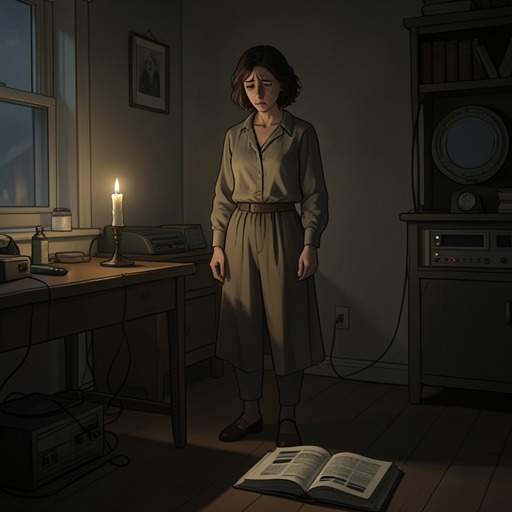
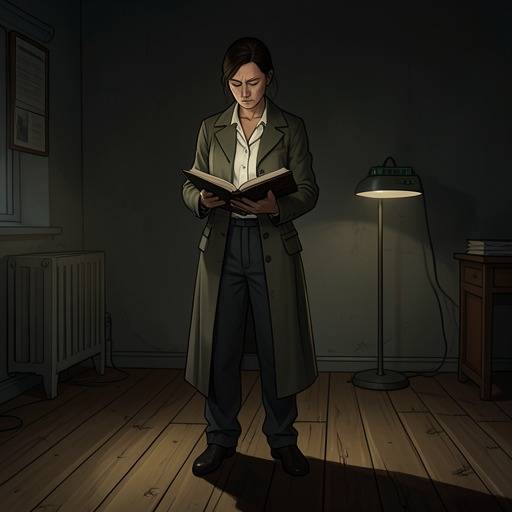
I'm Still HereI'm Still Here is an expression of survival that refuses to confuse continued life with immunity from harm. Across classroom, workplace, and church, it describes both the vulnerability of living under racial scrutiny and the choices, relationships, and shared traditions that make continuing possible.
Meaning and Limits of Survival
The expression is not a claim that knowledge or endurance prevents injury. Reflecting on a poem by Shange, the narrator connects a woman’s renewed heartbreak to the experience of believing oneself protected from racial hatred, only to be hurt again. Knowledge of slavery, lynchings, white riots, and bombings does not make that pain surprising or painless; the narrator insists on human vulnerability alongside survival. Being alive does not mean being immune.
That distinction sharpens into a demand for relationship and futurity. Against a world that denies Black people’s capacity for love and need for intimacy, the narrator asserts the need for other people, for tomorrow, and for love. I'm Still Here therefore holds persistence and hurt together: survival is not proof that harm has failed to matter, but a refusal to let harm erase the claim to a human life.
Silence, Exposure, and the Right to Speak
The classroom episode gives this survival a quieter form. During a discussion of Dunbar’s poem, the narrator folds into her chair and tries to become smaller, anticipating that she may be asked to explain the masks Black people wear to an all-white class. The poem names an experience she recognizes, but recognition does not make disclosure safe. She feels gratified that her experience has been treated as worthy of attention and, at the same time, unwilling to become the class’s representative or expose a vulnerable part of herself.
The pressure is not simply to speak, but to speak for everyone. Black students in mostly white classrooms are often treated as race experts, although no individual can represent all Black people. The narrator’s first response is more immediate than an argument: she does not want to take off the mask. Mr. Slivinski does not call on her. He challenges the white students to interpret the poem without making her serve as a substitute teacher, and his restraint turns respect for her privacy into trust. The episode shows that naming race need not require a Black student to surrender control over what others may know.
Workarounds for White Workplaces
The expression also encompasses the cumulative injuries of professional life. The narrator describes white workers receiving praise for their abilities while women of color are told only of their potential, and white employees who struggle being moved into better-fitting jobs while people of color are warned to improve or leave. Promises to diversify leadership, pastoral staffs, and faculty can end with committees appointing a white man. Such patterns make workers feel undervalued and expendable, while the suggestion that a dissatisfied Black woman can simply leave ignores the risk of losing pay and benefits.
Against those conditions, Black women develop practical forms of mutual protection. They help one another write emails whose tone they expect to be scrutinized, save praise from supervisors and colleagues in inbox folders as insurance against contrary reports, and seek a safe ally with whom they can share lunch without explaining themselves. Secret Facebook groups provide places to process awkward interpersonal microaggressions and consider how to respond. These measures can slow the damage but cannot guarantee protection: white Christians may eventually question whether a Black worker is sure God has called her to that workplace. The resulting sense of invisibility and dispensability makes persistence a material and relational effort, not a slogan detached from working conditions.
Black Memory, Love, and Continuance
An interlude titled Why I Love Being a Black Girl makes remembrance part of that effort. After her perceptions of racial dynamics have been questioned, minimized, or denied, the narrator deliberately recalls why she loves being Black. She locates strength in recovering histories that white people tried to steal: census records, photographs, certificates, and inscriptions, as well as the stories of elders who testify to survival through slavery, lynching, and Jim Crow. The cast-iron pot of her grandmother and the Bible of her great-grandmother make that inheritance tangible.
Language and shared expression are another source of recognition. The narrator describes Black people as creators of language, inventing words and carrying meanings among themselves that can be stolen or misused by others. What an outsider might mistake for interruption becomes, in her account, call-and-response: affirmation that carries the energy of church beyond its walls. These memories and practices answer the isolation of being doubted by restoring a sense of shared knowledge and belonging.
After renewed exposure to racial terror, the narrator returns to her childhood church, where worship and the intimacy of the Black community help her face what history has made newly painful. She connects four Black girls killed in 1963 with nine Black parishioners killed in 2015, recognizing history’s repetition without treating repetition as the end of the story. The community continues to worship, protest, organize, march, write, and create. In this movement between injury and collective action, I'm Still Here becomes both a personal insistence on life and a shared practice of making a tomorrow possible.